Most rooms are lit by a single fixture in the middle of the ceiling. It is why they look flat at night, why faces cast shadows, and why a well-designed room can feel like a waiting area after dark.
Layered lighting fixes this without a rewiring project. Three layers, planned by function, do more for a room than any amount of new furniture.
The three layers, briefly
Ambient light is the general wash that lets you move safely. Task light is focused where you work: the counter, the desk, the mirror. Accent light adds depth and highlights texture, art or architecture. A room works when all three are present and separately controllable.
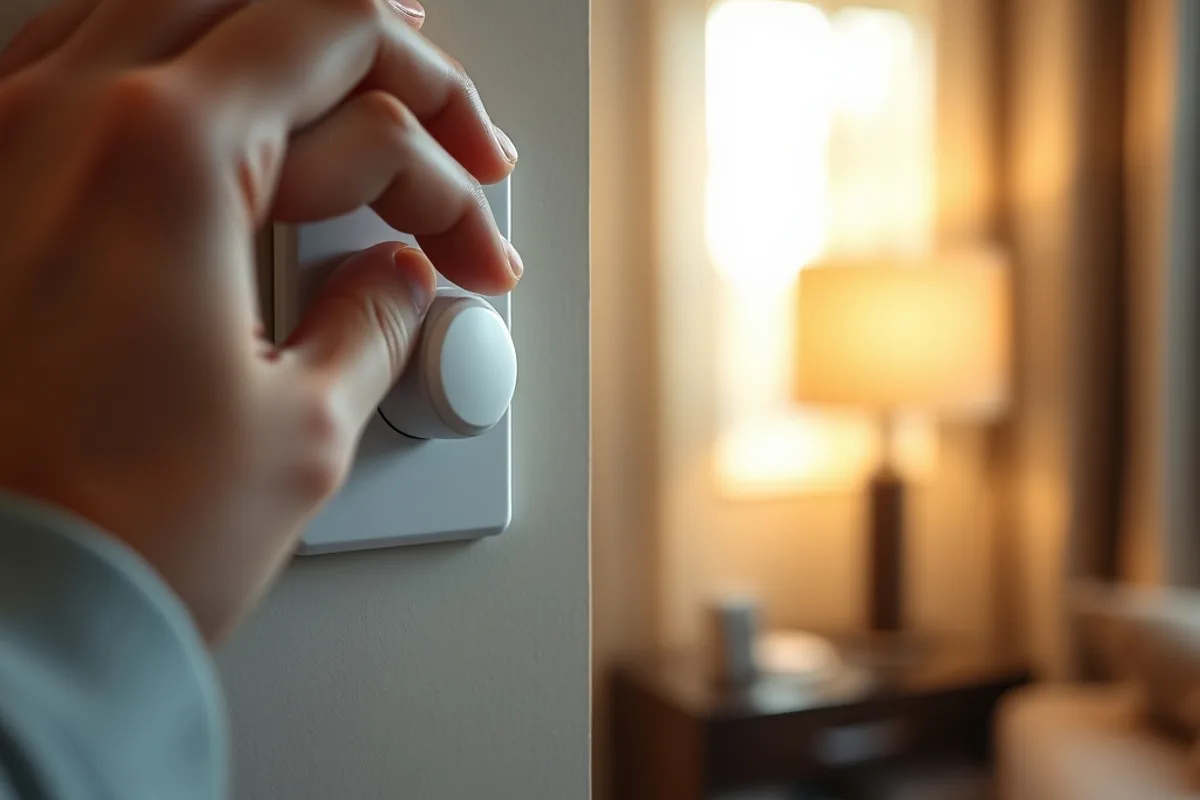
The key word is separately. If every light is on one switch, you have three layers in theory and one in practice. Dimmers and separate circuits turn a lighting plan into something you can actually use.
Living rooms: light the walls
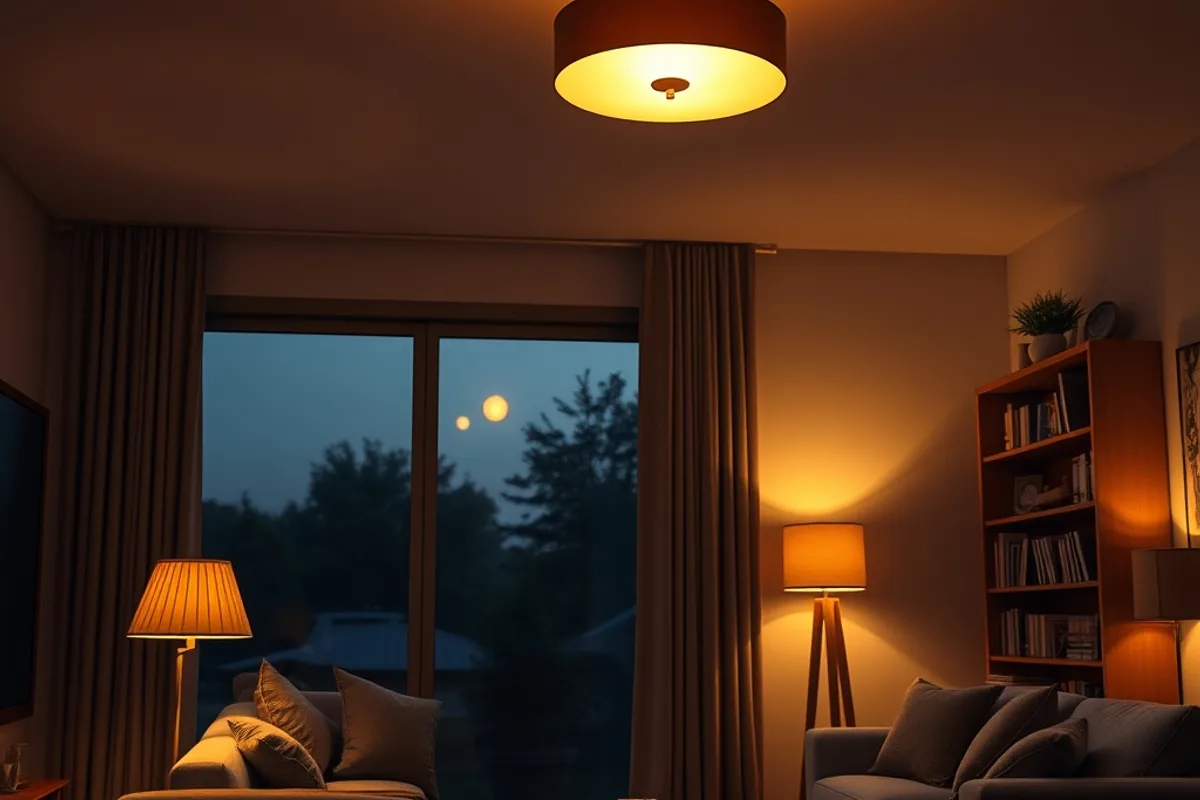
A living room needs ambient light that does not glare into a television, task light for reading, and accent light for depth. Wall washing with a floor lamp aimed at the wall is the simplest trick: it makes the room feel taller and softer than a ceiling fixture alone.
Place a floor lamp beside the sofa, a table lamp at the other end, and a small accent behind a plant. Three sources at different heights create the layered look. Keep the ceiling light on a dimmer for cleaning and for the first ten minutes after guests arrive.
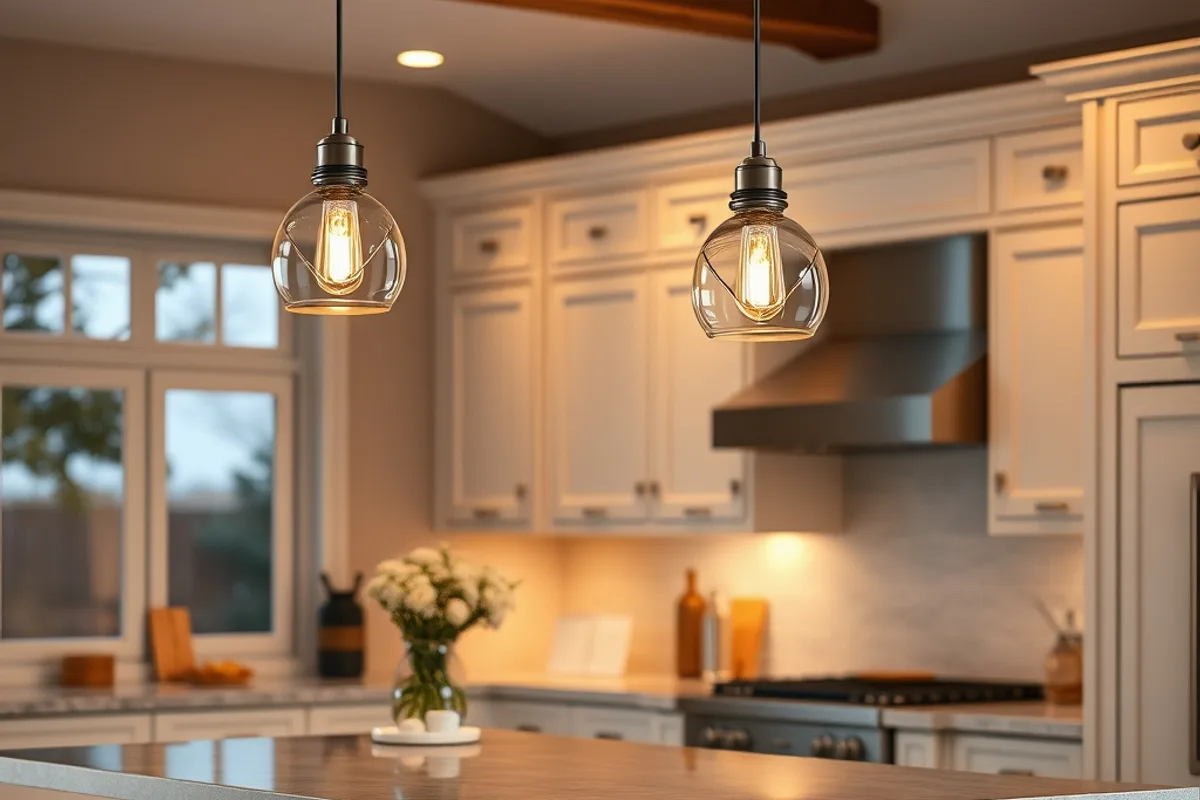
Kitchens: light the work, not the floor
Ceiling fixtures cast shadows exactly where you chop. Under-cabinet strips solve this for a few dollars a metre, and they are the highest-value lighting upgrade in most kitchens. Add pendants over an island if you have one, hung low enough to light the surface rather than the ceiling.
Use a neutral white for work surfaces and a warmer tone for dining. Mixing temperatures in one sightline looks accidental, so choose one temperature for the room and dim it rather than changing the colour.
Bedrooms: low and warm
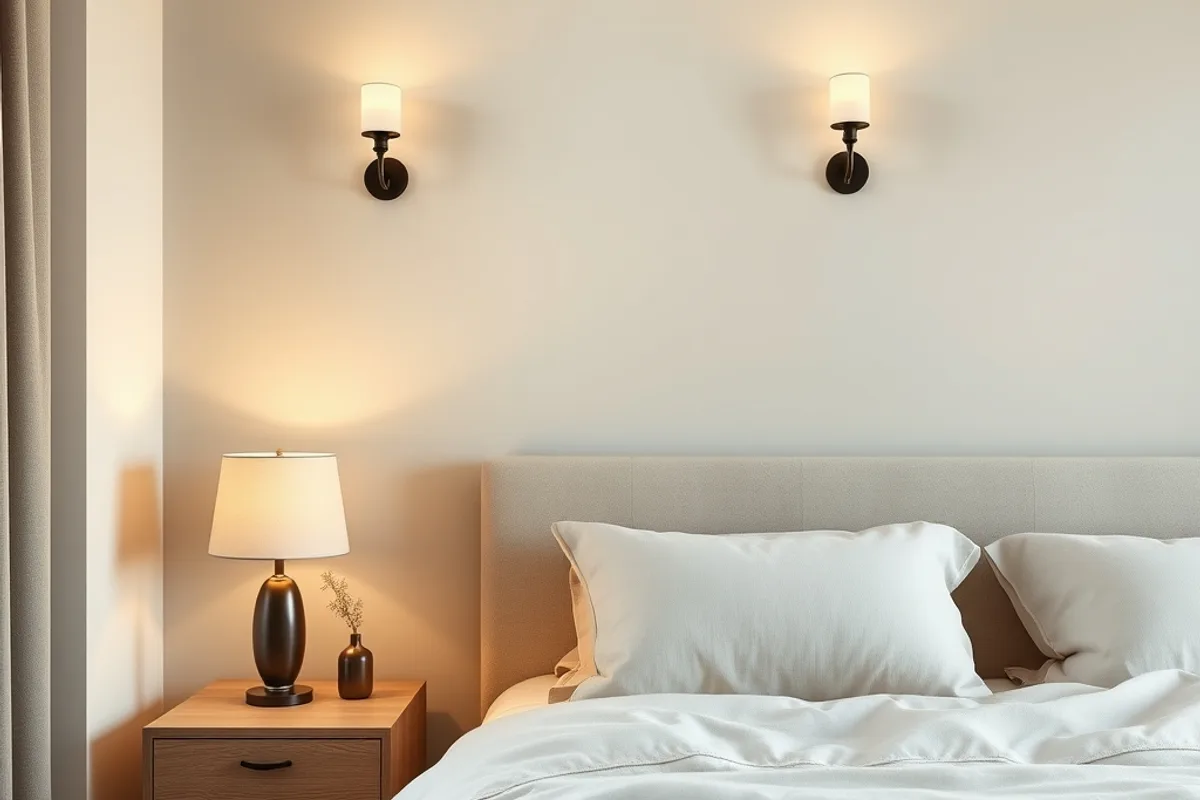
Bedroom lighting should be low, warm and reachable from the bed. Wall sconces or bedside lamps at hip height beat a bright centre fixture. A dimmer on the main light lets you clean the room and then bring it down for the evening.
Keep the light source below eye level when you are lying down. A pendant in the middle of the ceiling glares; a pair of wall lights does not. If you read in bed, choose a lamp with an adjustable head and enough output to avoid eye strain.
Bathrooms: layer around the mirror
Lighting directly above a mirror shadows the face. Two lights at eye level, one on each side, are far better. Add a ceiling light for general illumination and a small night light for the middle of the night. Make sure fittings are rated for the zone they sit in.
A room with one light is a room with one mood. Layers are what let a space change from working to resting without moving a single piece of furniture.
Bulbs, temperature and dimming
Warm white around 2700K suits living and sleeping areas; neutral 3000K suits kitchens and bathrooms. Higher colour temperatures feel clinical at home. Check that dimmable bulbs are actually dimmable and that the dimmer is compatible with the driver, or you will get flicker and buzz.
Lumens matter more than watts now. A reading lamp wants roughly 400 to 600 lumens at the page; ambient light wants more, spread across several sources rather than one bright one. Buy one spare bulb of each type so a failure does not force a mismatched replacement.
Costs and order of work
Start with plug-in lamps and smart bulbs, then add under-cabinet strips, then consider wiring changes. Most rooms can be transformed for the price of two good lamps and a dimmer. If you are renovating, plan circuits early, because adding a switch line after plastering is expensive.
For a smaller project with a big daily payoff, our small-bathroom storage guide pairs well with better mirror lighting. If you are buying a home and planning changes, check the assistance rules before you budget for the work.
Key facts
- Ambient, task and accent light should be separately switchable.
- Wall washing makes a room feel taller and softer.
- Under-cabinet strips are the best value kitchen upgrade.
- Use 2700K for living areas and 3000K for work areas.
- Check dimmer compatibility to avoid flicker and buzz.
The bottom line
Add layers, put them on separate controls, and choose warm bulbs. You do not need a new ceiling; you need three sources at three heights and the ability to turn them down.