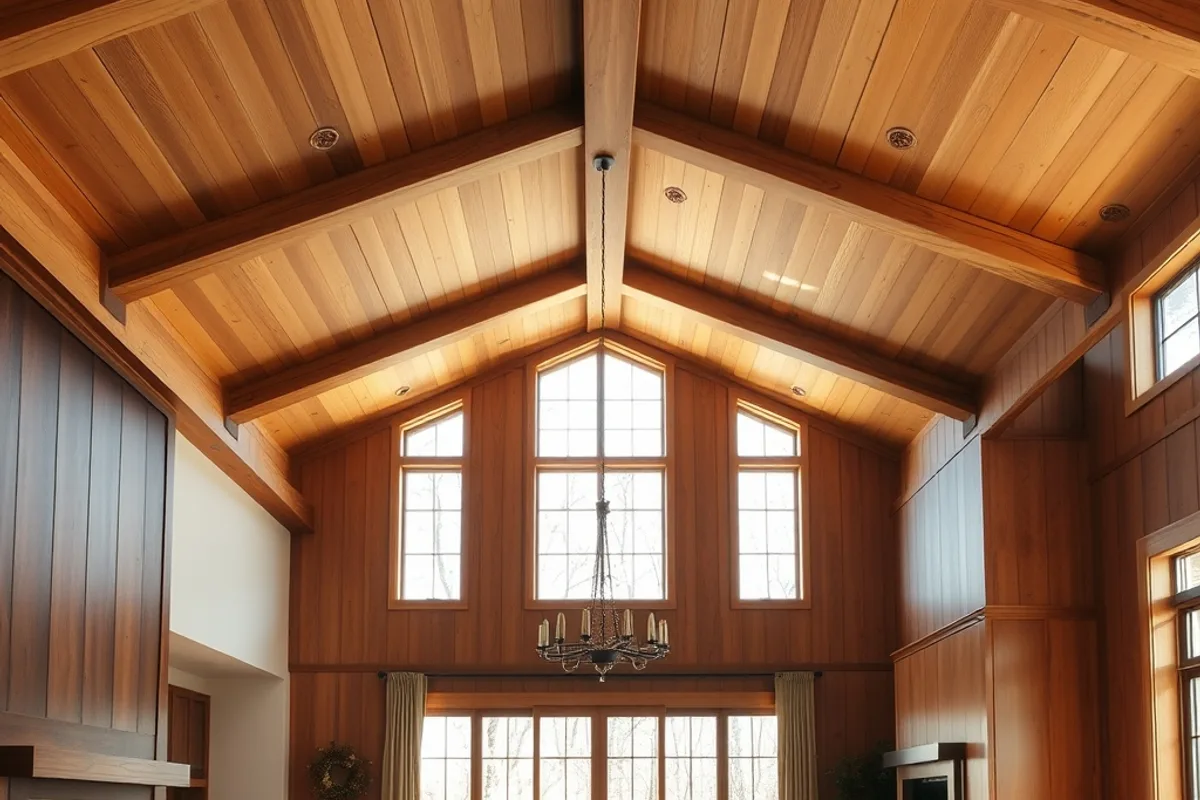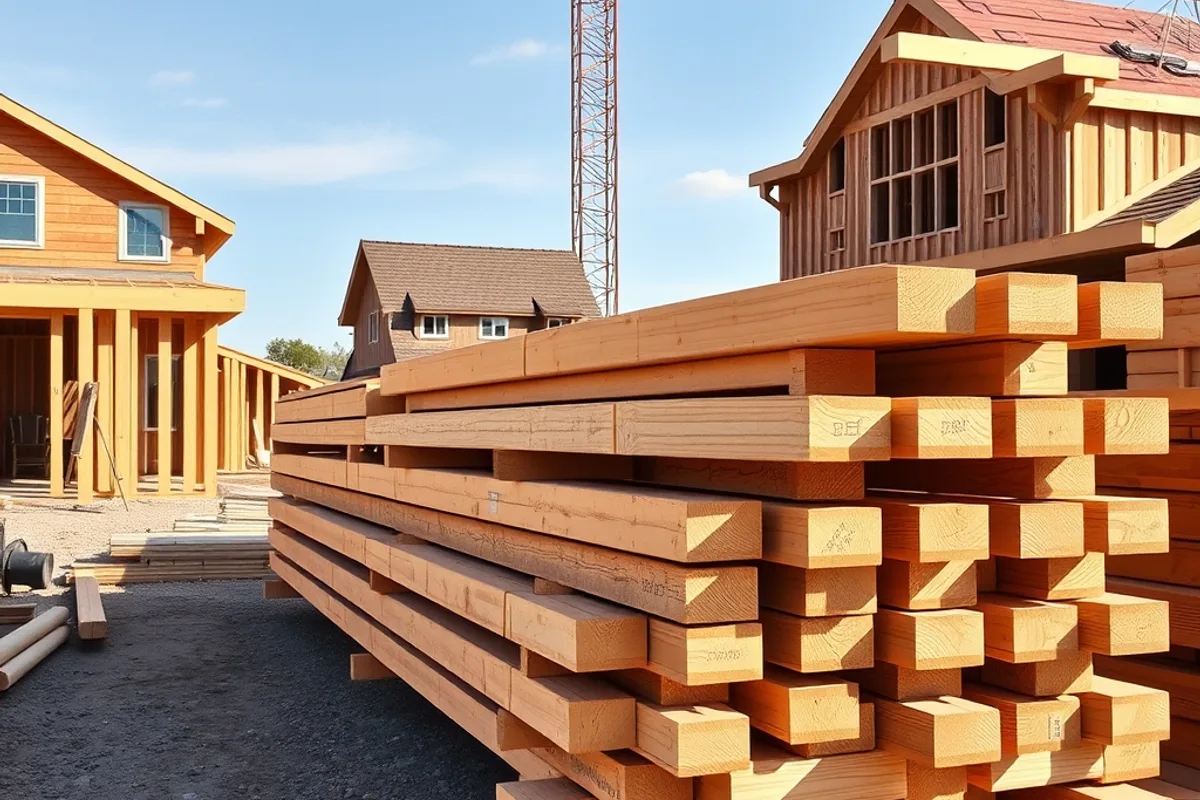
Engineered wood is sold as a modern replacement for solid timber, and in many applications it genuinely is better. In others, it is the wrong material chosen for the wrong reason, and the failure shows up years later.
We compared the main engineered products with solid timber across strength, movement, moisture tolerance and cost, and asked builders where each one belongs. The answer is more specific than a brand preference.
What engineered wood actually is
Engineered wood is made from veneers, strands or fibres bonded with adhesive. LVL uses parallel veneers, glulam uses laminations, I-joists use a web with flanges, and CLT uses crossed layers. Each has a different grain direction and a different set of strengths.
The common advantage is consistency. Defects are distributed or removed, so the member behaves predictably and can span further than a comparable solid section. The common disadvantage is that adhesives and thin sections are less tolerant of prolonged moisture.
Strength and stiffness
For long spans and heavy loads, engineered members usually win. LVL and glulam are stronger and stiffer than solid timber of the same size, and they are available in lengths that solid stock cannot match. That is why they dominate open-plan renovations and long roof spans.
For short spans, traditional joists and studs remain perfectly adequate and easier to work with. Specifying an engineered product where a solid section would do adds cost without adding performance.
Movement and moisture
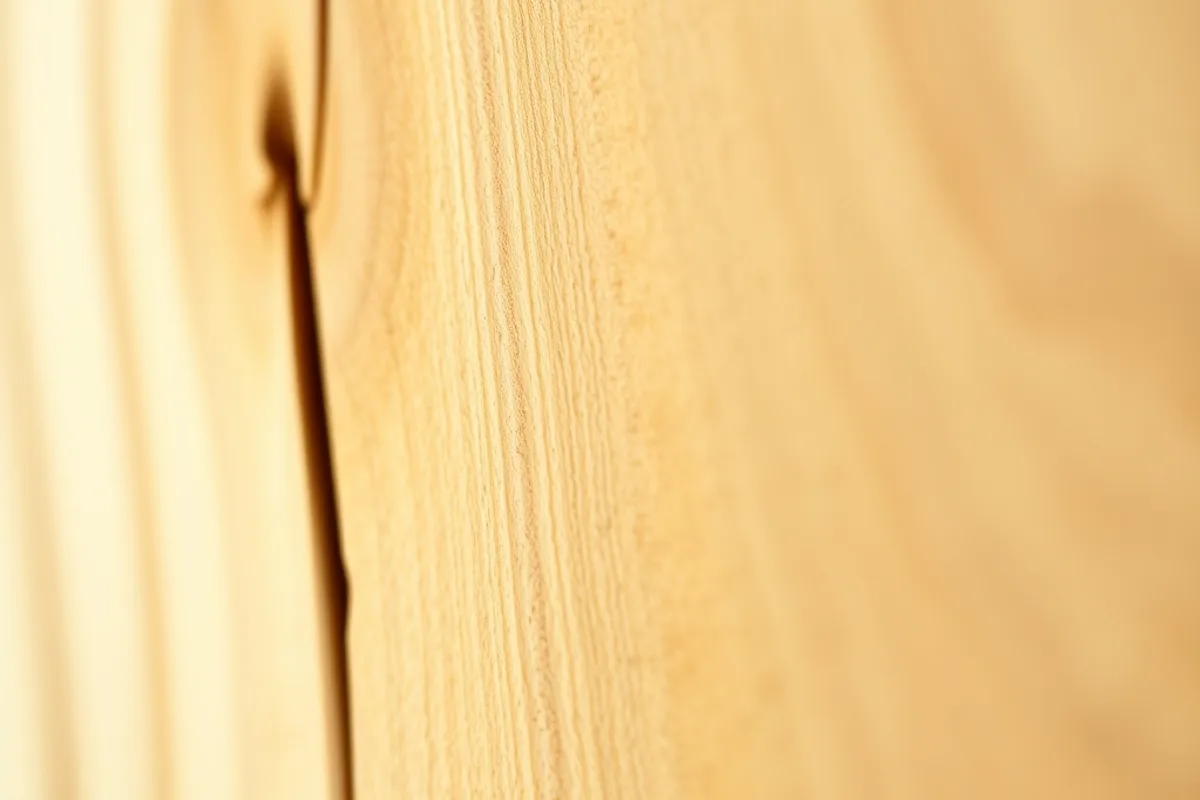
Solid timber expands and contracts with humidity, which is why it cups, twists and cracks. Engineered products are more dimensionally stable because the grain is reoriented or broken up. That stability is a real advantage in wide boards and in humid rooms.
But engineered wood loses strength faster when wet. A leak that a solid beam would survive can delaminate an LVL or soften an I-joist web. Keep engineered members dry during construction, and detail the roof and plumbing so they stay dry afterwards.
Fire and acoustic behaviour
Solid timber chars at a predictable rate, which allows an engineer to calculate a fire rating based on residual section. Engineered products can perform well too, but the adhesive and geometry change the calculation. Do not assume one product's rating applies to another.
Acoustically, mass helps. A solid joist with a heavy floor build-up may transmit less impact noise than a lightweight I-joist floor, unless the floor is detailed with resilient layers. If noise between floors matters, design it in rather than fixing it later.
Engineered wood is stronger by design and stricter about water. Choose it for span and stability, not because it sounds more advanced.
Cost and availability
Engineered members often cost more per metre than solid timber, but they can reduce the total by replacing multiple solid pieces with one long span. Labour also matters: fewer joints means faster framing. Compare the installed cost, not the unit price.
Availability varies by region and season. A product specified in the design but unavailable at the merchant can delay a whole phase, so confirm lead times before the order is placed. Our contractor quote guide explains how to get the specification and lead time written into the contract.
Where each belongs
Use engineered wood for long spans, open-plan beams, roof structures and anywhere dimensional stability matters. Use solid timber for short spans, visible character, and situations where it may get wet or where simplicity matters. Treated solid timber remains the sensible choice for exposed outdoor structures.
Whatever you choose, protect the ends and the fixings. Water ingress at a beam end is the most common cause of decay in both materials, and it is almost always a detailing failure rather than a material failure. Our concrete crack guide covers the other half of the structure, where movement shows up as cracking.
Key facts
- Engineered wood is stronger and more stable than solid timber.
- It is less forgiving of prolonged moisture and leaks.
- Compare installed cost, not price per metre.
- Fire ratings must be calculated per product, not assumed.
- Detailing at beam ends decides long-term durability.
The bottom line
Choose engineered wood for span, consistency and stability. Choose solid timber for simplicity, character and wet exposure. Specify the product, protect it from water, and either will last the life of the building.