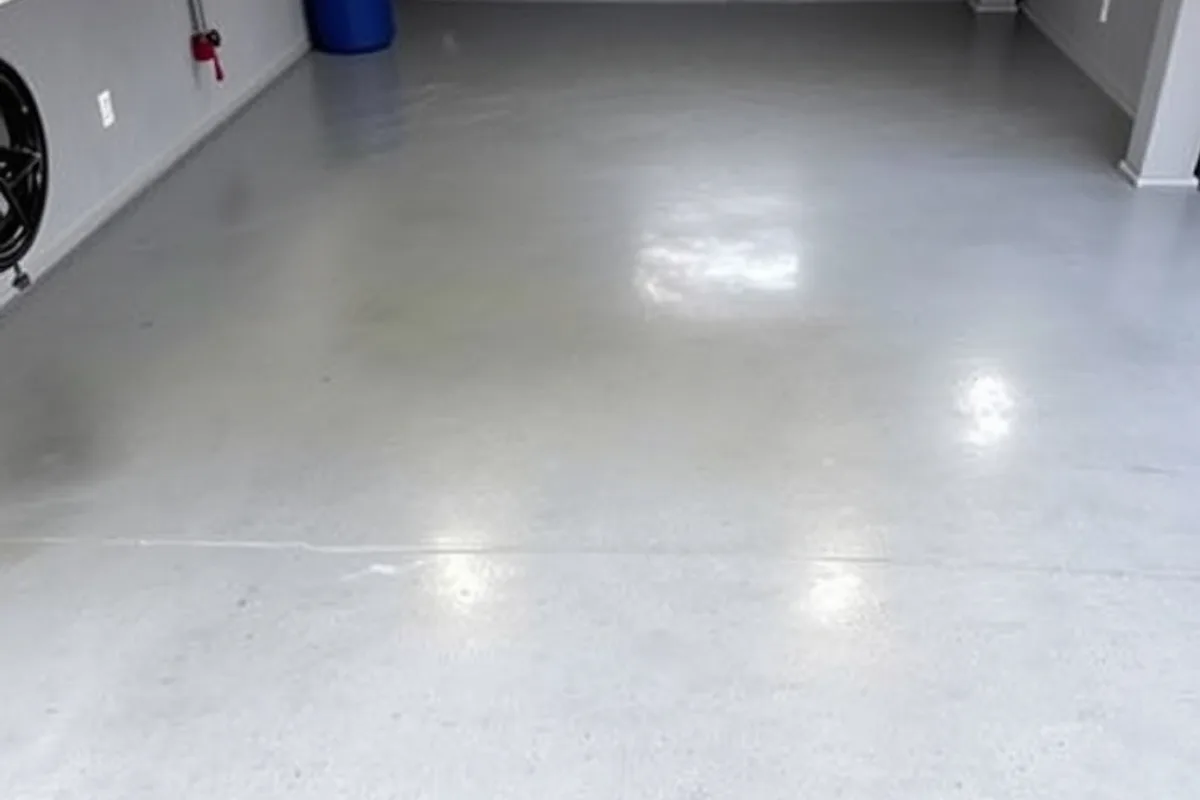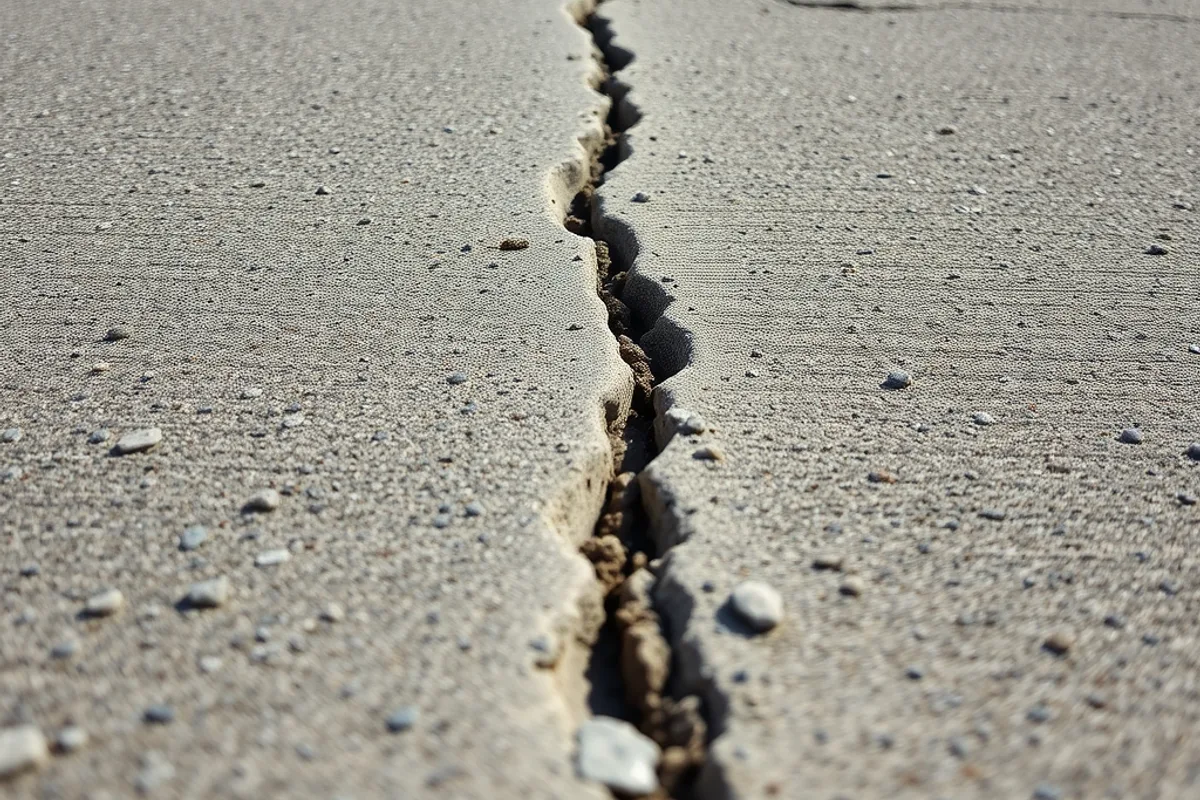
Concrete cracks. It cracks as it cures, it cracks as it settles, and it cracks again when the seasons change. Most of that is normal. The skill is telling the expected crack from the one that deserves a professional inspection.
We spoke to inspectors and concrete contractors about how they triage cracks on drives, slabs and foundations. Their method is simpler than the internet suggests, and it starts with three questions.
Question one: how wide is it?
Hairline cracks under about 0.3 millimetres are usually cosmetic. They are common in driveways, patios and garage floors, and they rarely affect performance. Cracks approaching a few millimetres, or ones you can fit a coin into, need a closer look.
Width alone is not the whole story. A stable 2 mm crack in a driveway may be fine; a 1 mm crack that is growing month by month is not. Measure and date the crack with a pencil mark or a photo, then check again in a season.
Question two: which direction?
Shrinkage cracks tend to be short, random and shallow. They appear as the surface dries and are especially common in large slabs without control joints. They do not usually widen over time.
Settlement cracks are often diagonal, wider at one end, and appear near corners, door openings or where a heavy load meets a softer base. A diagonal crack running from the corner of a window or door is a classic sign that movement is happening, and it deserves a professional opinion.
Question three: is it moving?
Movement is the decisive test. A crack with clean edges and no displacement is probably stable. A crack where one side is higher than the other, where the edges are crumbling, or where water stains suggest a repeated path, is doing something.
Install a simple crack monitor or mark both sides with a line and measure across it monthly. If the gap changes with the seasons slightly, that may be thermal movement. If it grows steadily, call an engineer.
Where cracks are expected
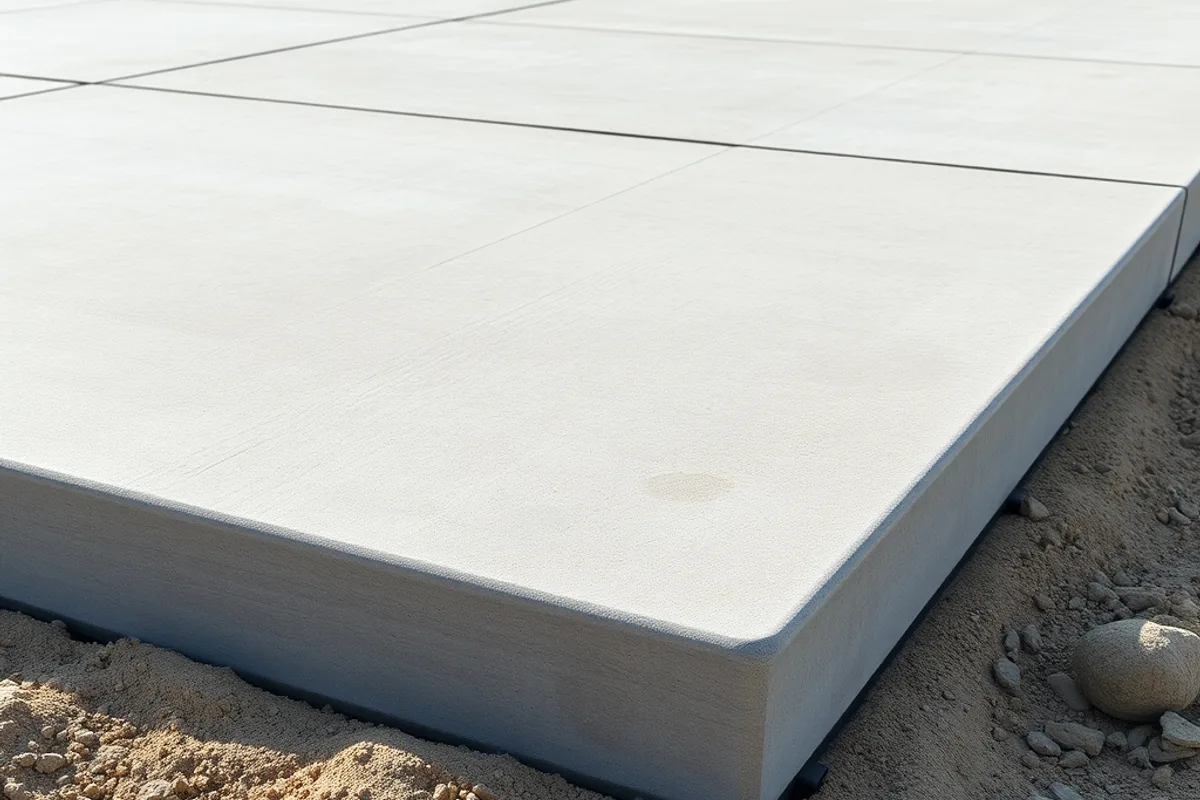
Control joints exist to force a crack into a straight, planned line. If your driveway has neat straight joints and a crack running along one, the slab is behaving as designed. Similarly, a crack at the junction of two pours is a construction joint, not a failure.
New concrete also shrinks as it cures, which is why early hairline cracks appear in the first weeks. They usually stabilise. Curing the slab properly, with moisture and time, reduces their number.
A crack is a message about movement. The question is not whether the concrete cracked, but whether it has stopped moving.
Repair versus monitor
Cosmetic cracks can be sealed to keep water out, especially in freeze-thaw climates where water in a crack accelerates damage. A flexible sealant is appropriate for movement; a rigid patch is not. Clean the crack, confirm it is dry, and follow the product instructions.
Structural cracks need an engineer's assessment before repair. Injecting epoxy or adding reinforcement may be right, but only after the cause is understood. Sealing a moving crack hides the evidence and lets the movement continue.
When to call a professional
Call an inspector or structural engineer if a crack is wider than a few millimetres, if the two sides are offset, if it is diagonal across a foundation wall, if it grows, or if it is accompanied by sticking doors and windows. Those signs together point to foundation movement rather than surface shrinkage.
For a home purchase, raise visible cracks during the inspection period rather than after closing. Our appraisal guide explains how condition issues can affect both value and finance. And if a repair requires opening the structure, our guide to engineered wood covers how the framing above may behave.
Key facts
- Hairline cracks under about 0.3 mm are usually cosmetic.
- Diagonal cracks near openings can signal settlement.
- Displacement between crack edges is a warning sign.
- Control joints are designed to crack in a straight line.
- Monitor movement before deciding on a repair.
The bottom line
Measure the width, note the direction, and watch for movement. Seal the cosmetic ones, monitor the doubtful ones, and call an engineer for anything that is widening, offset or running diagonally through a foundation. Concrete tells you what it is doing if you look twice.