Tankless water heating is sold as an upgrade that pays for itself. Sometimes it does. More often it is a comfort and space decision with a modest energy saving attached, and the install cost decides whether the numbers ever work.
We spoke to plumbers, read manufacturer specifications and compared utility bills from households that made the switch in the last three years. The pattern was consistent: the technology works, but the house has to be ready for it.
How a tankless heater actually saves energy
A storage tank keeps fifty or more gallons hot around the clock, whether anyone is awake or not. That standing loss is the energy a tankless unit avoids. It does not make the water itself cheaper to heat, and it does not reduce the energy used at the tap.
So the saving is proportional to how much of the day your tank spends doing nothing. A busy household with four showers before eight in the morning sees less benefit than a retired couple who use hot water twice a day. If your old tank sits in a cold garage, the standing loss is larger and the case for replacing it gets stronger.
Flow rate is the make-or-break number
Tankless units are rated by temperature rise and flow. A unit that delivers plenty of hot water in summer may struggle in January, when the incoming water is colder and the heater has to work harder for the same shower temperature. Two showers and a dishwasher running together can exceed what a small unit can supply.
Before buying, add up the fixtures you realistically use at the same time. A typical shower is around two gallons per minute, a kitchen tap less, a washing machine more. Plumbers call this the peak demand, and it should drive the model choice, not the price tag on the box.
What installation really involves
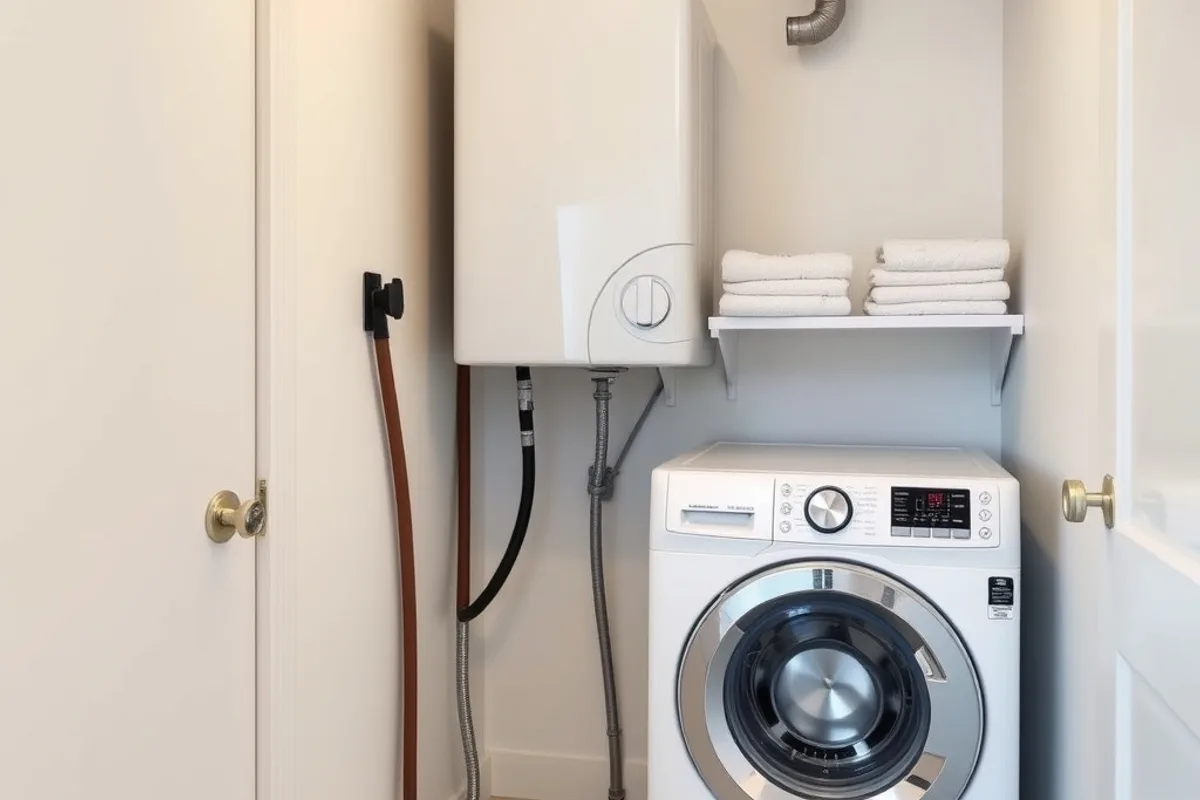
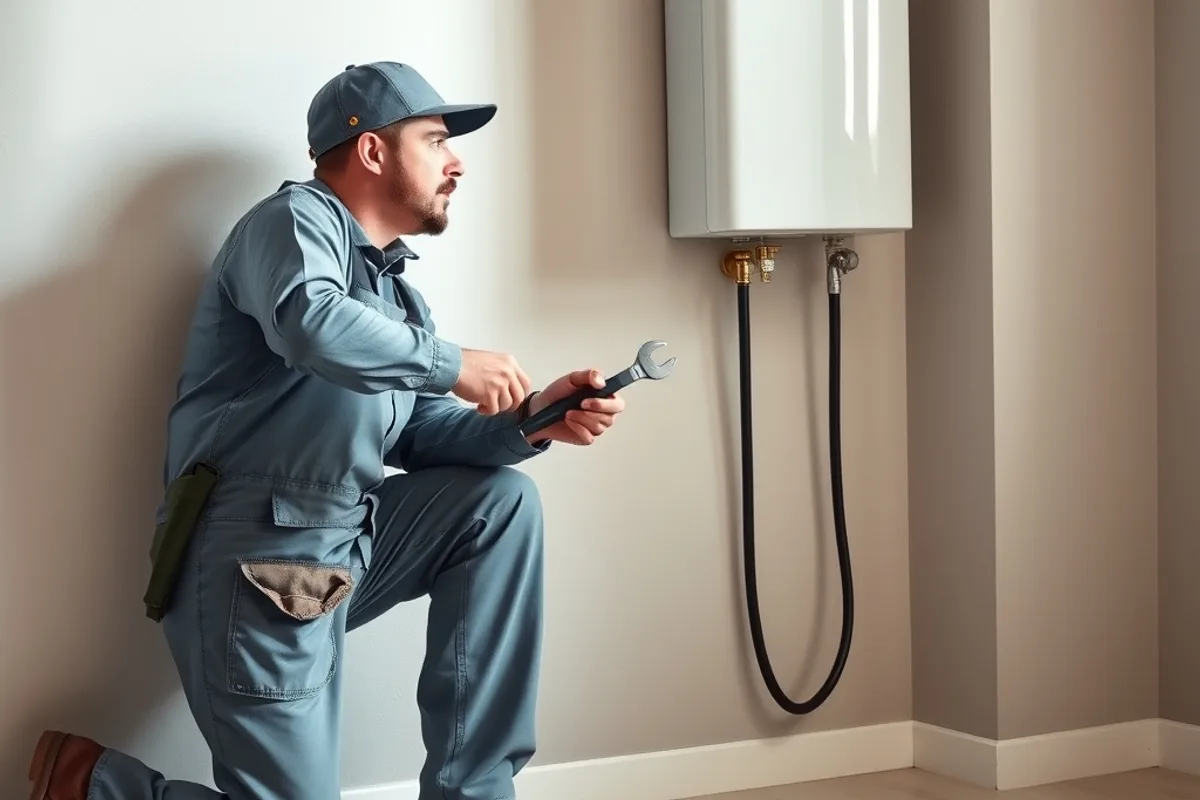
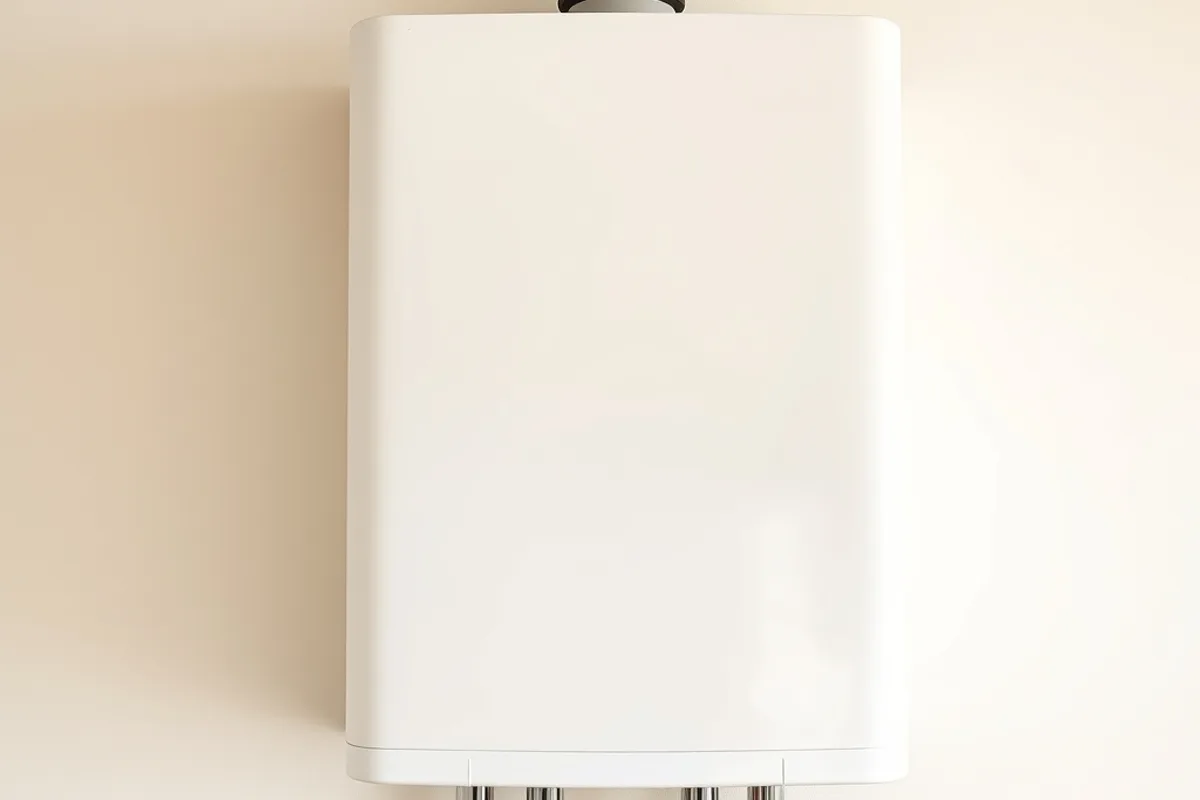
Retrofits are rarely a straight swap. Gas tankless units need a larger gas line in many homes, a dedicated vent through the wall or roof, and clearances from windows and combustible surfaces. Electric models may need a dedicated circuit and, in older houses, an upgraded panel.
That is where budgets break. The unit might be a reasonable line item; the plumbing, venting and electrical work around it is what turns a small project into a large one. Ask for a quote that separates equipment from labour and lists every modification, so you can see what you are actually paying for.
The maintenance nobody mentions
In hard-water areas, tankless heat exchangers scale up and lose efficiency. Annual descaling with a pump kit is the standard remedy, and skipping it shortens the unit's life. Some manufacturers require documented flushing to honour the warranty, so keep a record.
Vent screens also collect lint and leaves, and a blocked intake can throw an error code in the middle of winter. Both tasks are simple, but they are not free, and they belong in your running-cost estimate.
A tankless heater is not a magic box that makes hot water cheaper. It removes a tank that was losing heat all day, and it asks you to plan your peak demand.
When it makes sense, and when it does not
It makes sense in a small home with a long idle period, in an apartment where floor space is precious, or in a house where the old tank is failing anyway and the gas and venting already suit a replacement. It also suits households that want endless hot water for a tub or a big family.
It makes less sense in a large house with simultaneous demand, in a home with undersized gas service and no budget for upgrading it, or where the existing tank is young and efficient. In those cases, insulation and a tune-up deliver more saving per dollar. Our garage door guide makes a similar point about spending where the building envelope is weakest instead of chasing the newest product.
Costs and payback, honestly
Expect the installed cost to run several times the price of a comparable storage tank once venting, gas work and permits are included. The energy saving is real but modest, and on efficiency alone the payback is long. Count the space gained and the comfort value, and the decision becomes clearer.
If your utility offers a rebate for efficient water heating, read the fine print before you buy. The programme may require a specific efficiency rating, a licensed installer, or an inspection. Our guide to reading a contractor quote shows how to spot the line items that quietly push the total up.
Key facts
- Tankless saves standby loss, not the energy used at the tap.
- Peak flow and winter temperature rise decide the model size.
- Gas line, venting and electrical upgrades often dominate the bill.
- Hard water requires annual descaling to keep efficiency.
- Payback on energy alone is slow; comfort and space matter more.
The bottom line
Measure your peak demand, price the whole installation rather than the box, and budget for yearly maintenance. Do that, and a tankless heater is a sound choice. Skip it, and you will own an expensive appliance that never quite delivers the promise.