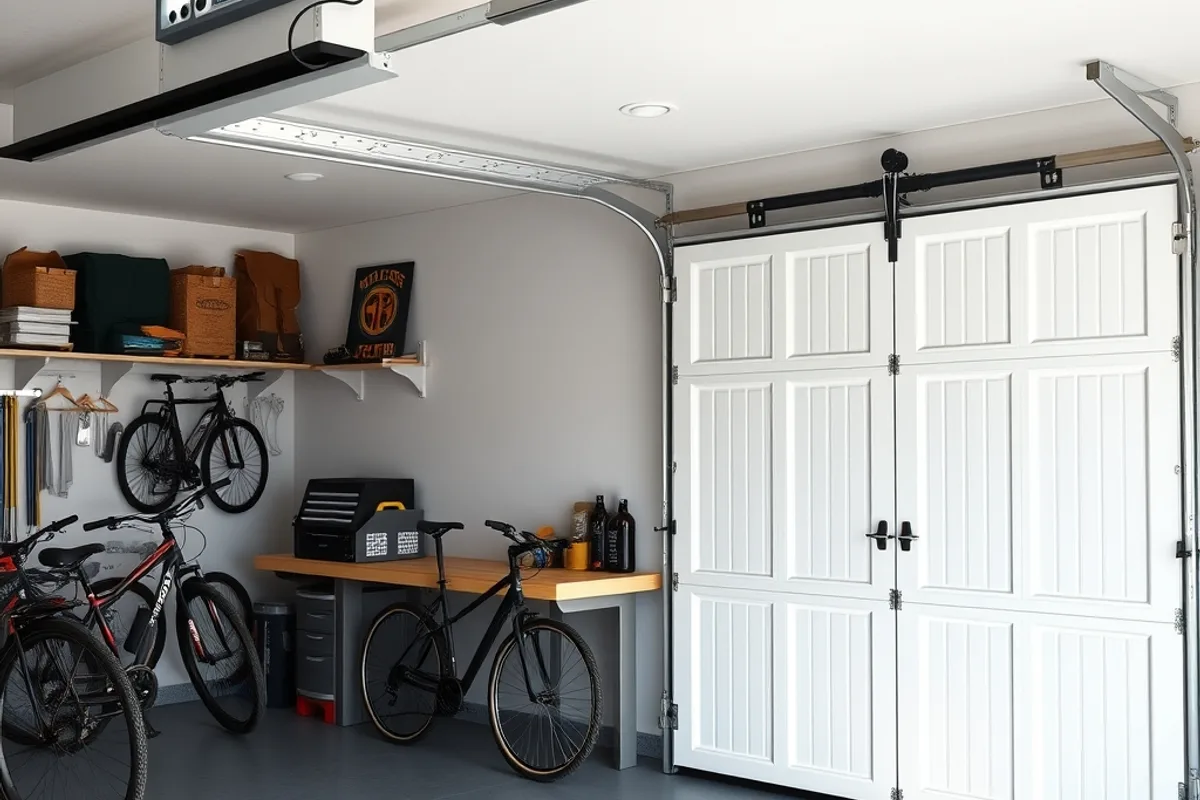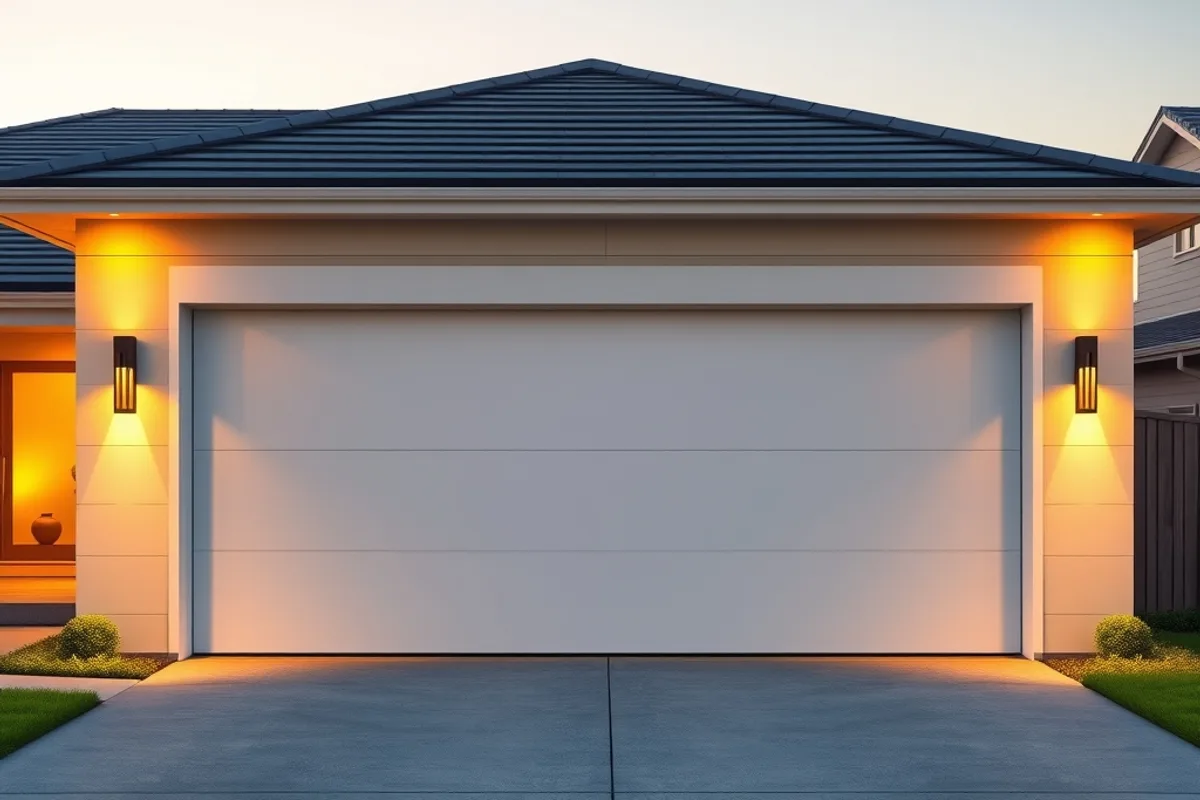
Garage doors fail slowly and then all at once. A door that shudders, squeals or reverses without warning is telling you something, and the difference between a cheap repair and a full replacement is usually visible if you know where to look.
We asked installers and repair technicians which calls turn into replacements and which end with a new spring and a smile. Their answers were remarkably consistent, and they had little to do with the age of the door.
Start with the springs, not the panels
Torsion springs do the heavy lifting. When one breaks, the door becomes dangerously heavy and the opener strains to compensate. A spring replacement is a contained repair, and it restores the door for years. It is also the job most often misdiagnosed as a dead door.
Never adjust springs yourself. They store enough energy to cause serious injury, and the correct winding depends on door weight. A professional with the right bars and a scale will finish in under an hour.
When the door itself is the problem
Dents, rust creeping up from the bottom, cracked panels and a frame that has begun to sag are body problems, not mechanism problems. A single damaged panel can sometimes be swapped, but on older doors the matching profile is often discontinued, and a patchwork door looks exactly like a patchwork door.
Insulation is the other reason to replace rather than repair. An uninsulated steel door is effectively a thin sheet of metal between a heated house and a cold garage. If the garage sits under a bedroom, or if you use the space as a workshop, an insulated door changes both comfort and noise.
The opener is not the door
A straining opener is a symptom. If the door is balanced, a hand can lift it halfway and it stays there. If it drops or fights you, the springs or cables are the fault, and a new opener will simply fail sooner on an unbalanced door.
Modern openers add safety features that older units lack, including better force sensing and battery backup. Those are good reasons to upgrade the motor, but only after the door itself moves freely.
What a replacement actually costs
Price splits into the door, the hardware, removal and disposal, and any framing repair. A basic single door sits at the low end; a double insulated door with windows and a high-lift track sits at the other. Installation quality matters more than the brand on the label, because a badly hung door will bind regardless of what you paid.
Ask whether the quote includes hauling away the old door and whether the springs carry a separate warranty. A door warranty that excludes springs, the part most likely to fail first, is worth less than it appears.
Replace the door when the body is failing. Repair it when the mechanism is failing. Confusing the two is how homeowners pay for a new door they did not need.
Maintenance that delays both outcomes
Lubricate hinges, rollers and springs yearly with a proper garage door lubricant, not cooking oil. Wipe the photo-eye lenses so the safety reverse keeps working. Tighten the track bolts, and listen for new noises after a cold snap.
Check the balance twice a year and the auto-reverse monthly by placing a roll of paper towel in the door's path. If the door does not reverse, stop using the opener until it is adjusted. These habits cost almost nothing and prevent most emergency calls.
When to call it
Call a technician for broken springs, frayed cables, a door that comes off its track, or any grinding from the opener that does not stop after lubrication. Those are safety issues, not DIY opportunities. If the panels are sound and the frame is straight, the repair is usually worth it.
For the wider budget picture, our guide to contractor quotes explains how to compare line items fairly. And if you are weighing other upgrades, the tankless water heater breakdown follows the same rule: price the whole job, not the headline product.
Key facts
- Broken springs are a repair, not a reason for a new door.
- Test door balance by hand before blaming the opener.
- Insulated doors matter when a room sits above the garage.
- Springs and cables are safety work for professionals only.
- Yearly lubrication and a monthly reverse test prevent most failures.
The bottom line
Judge the body and the mechanism separately. A sound door with tired hardware deserves repair; a rusted, dented or uninsulated door is a replacement waiting to happen. Either way, maintain it and it will last longer than the warranty suggests.